
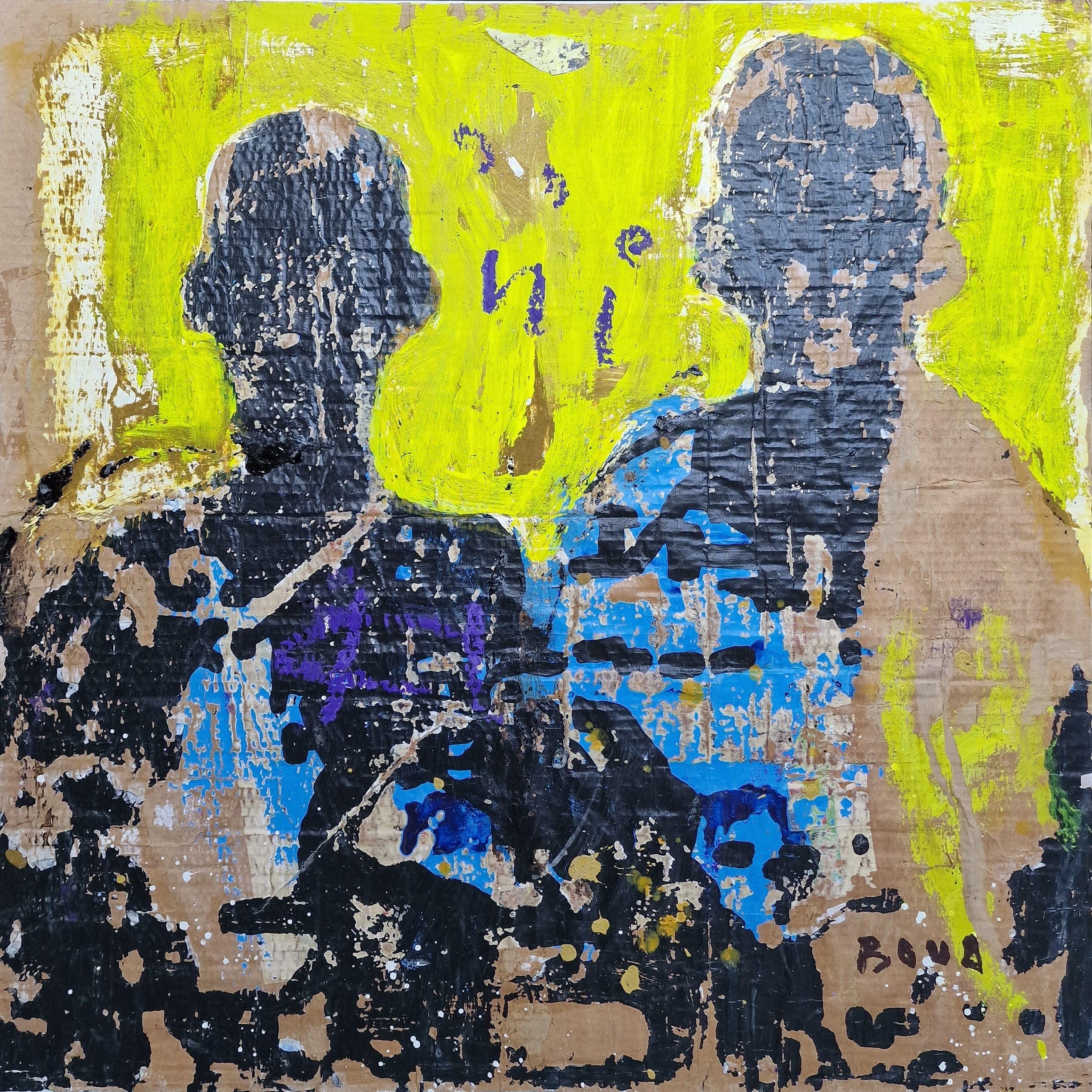
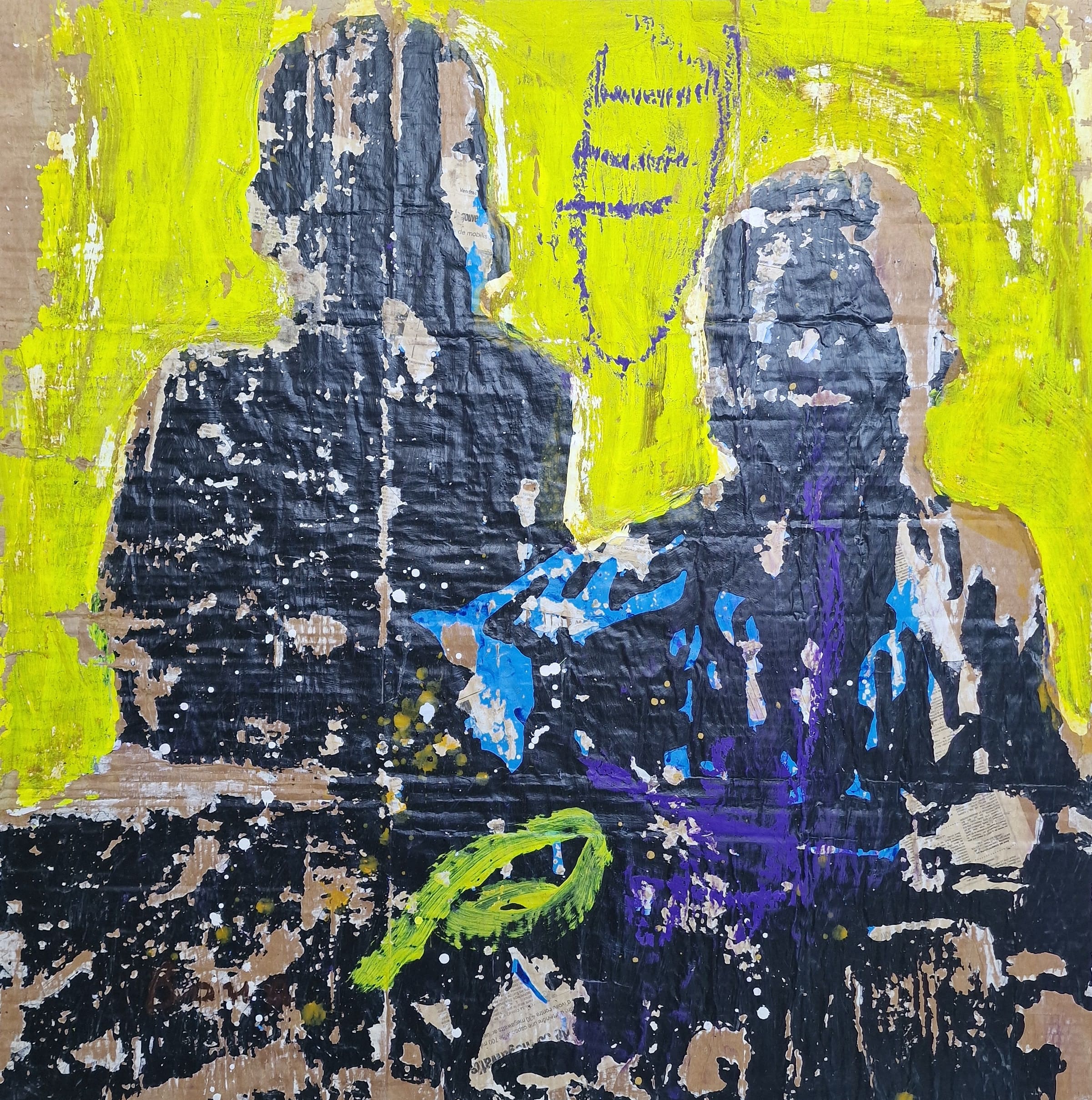
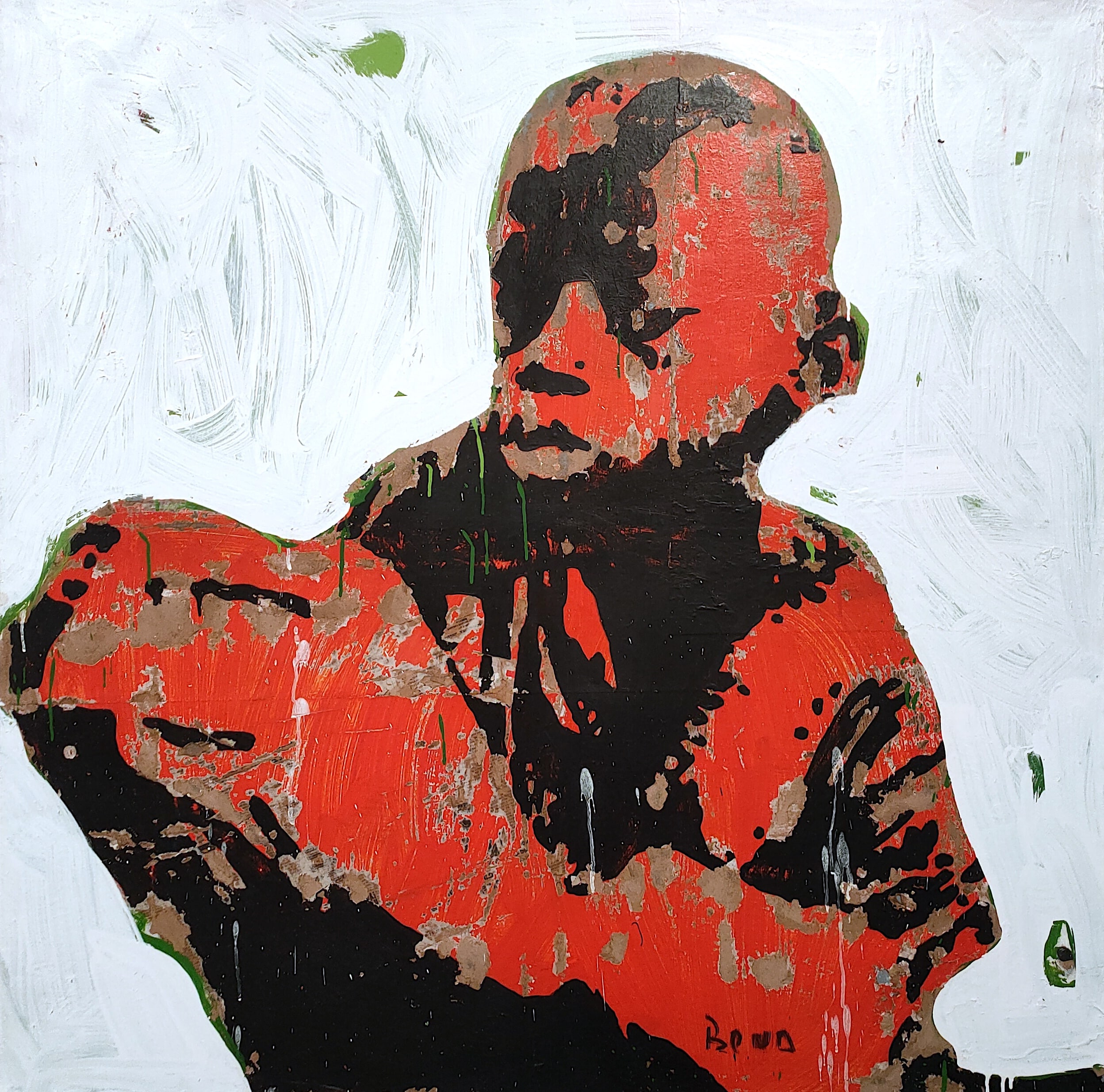
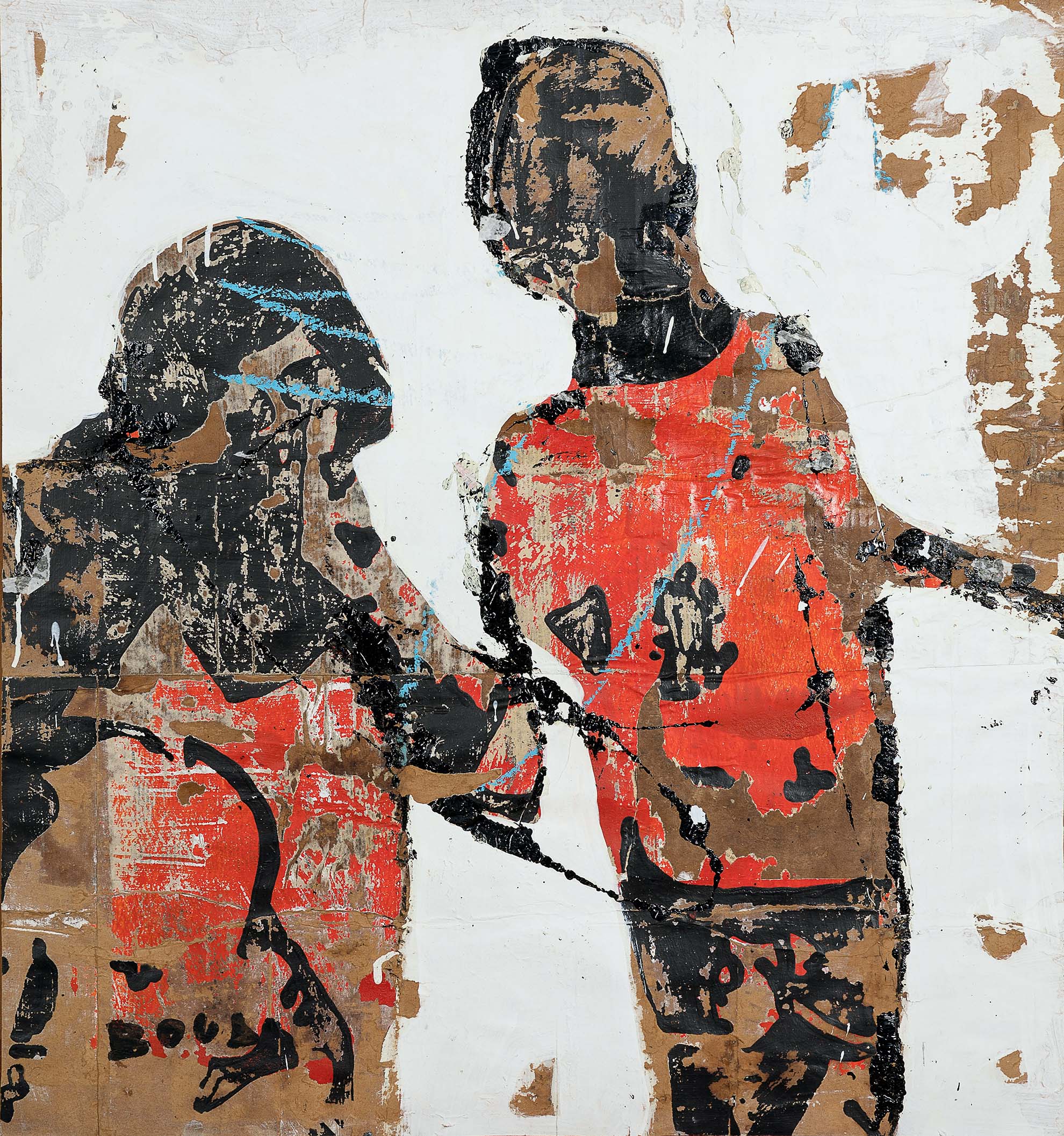
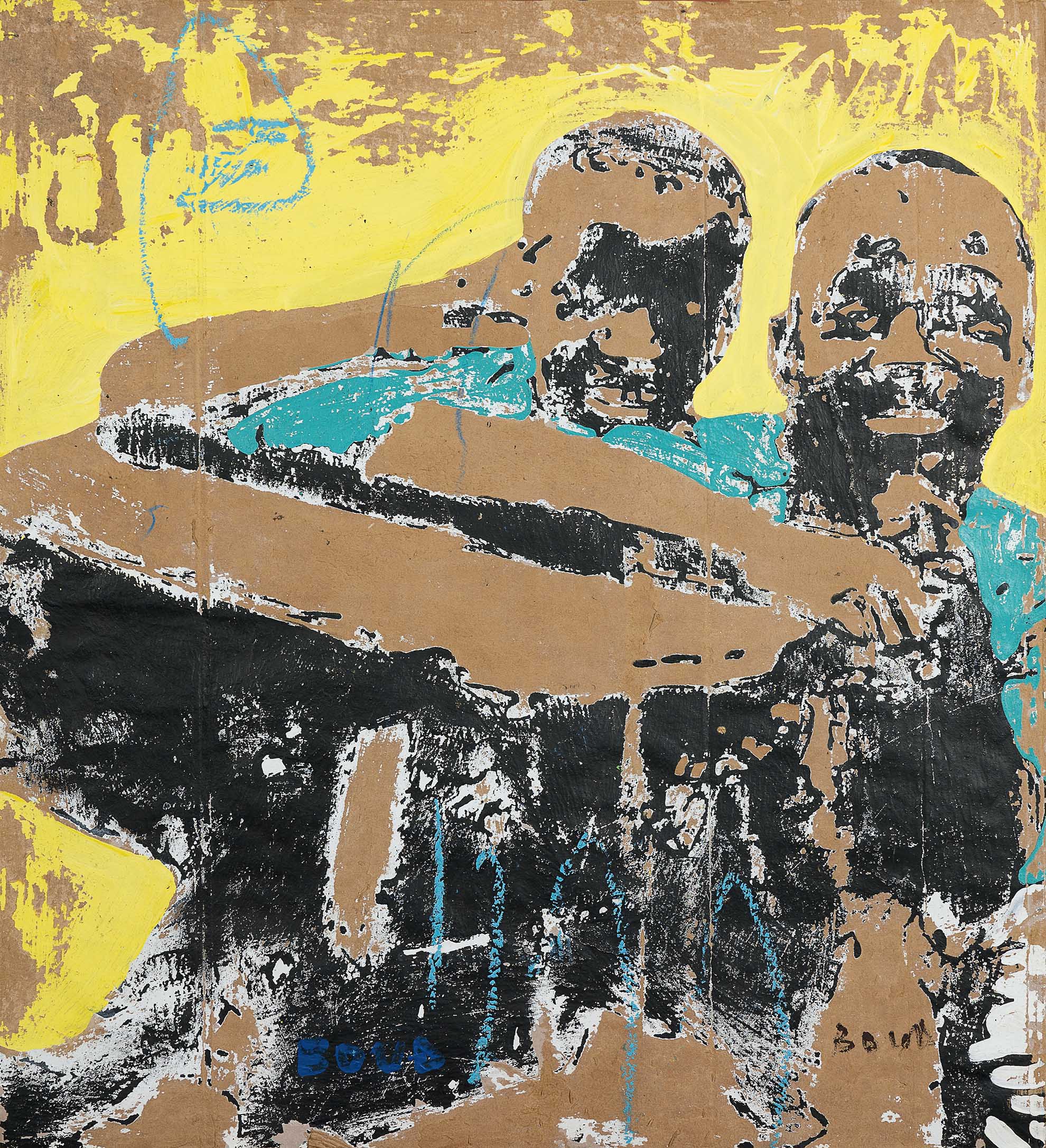
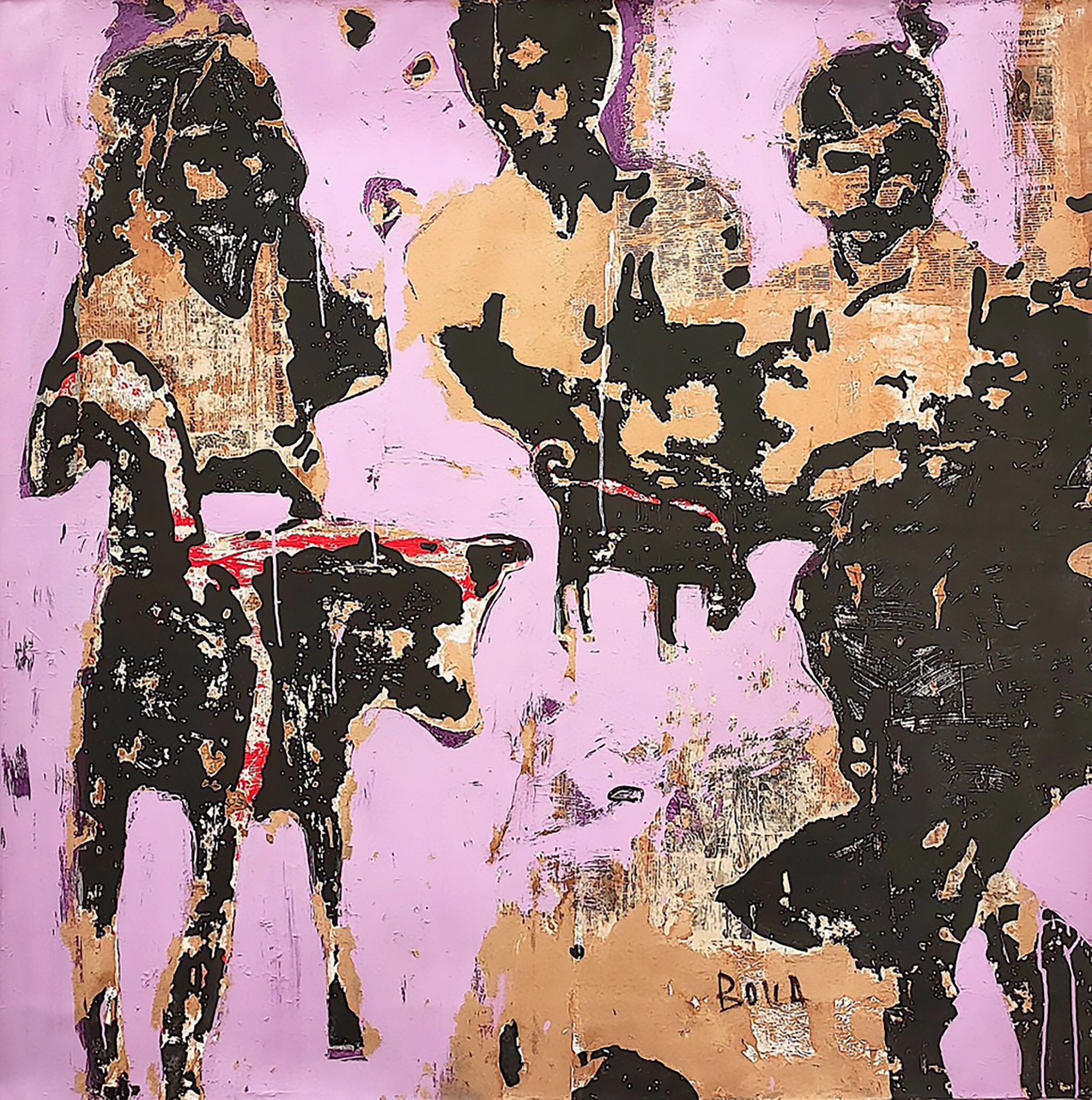
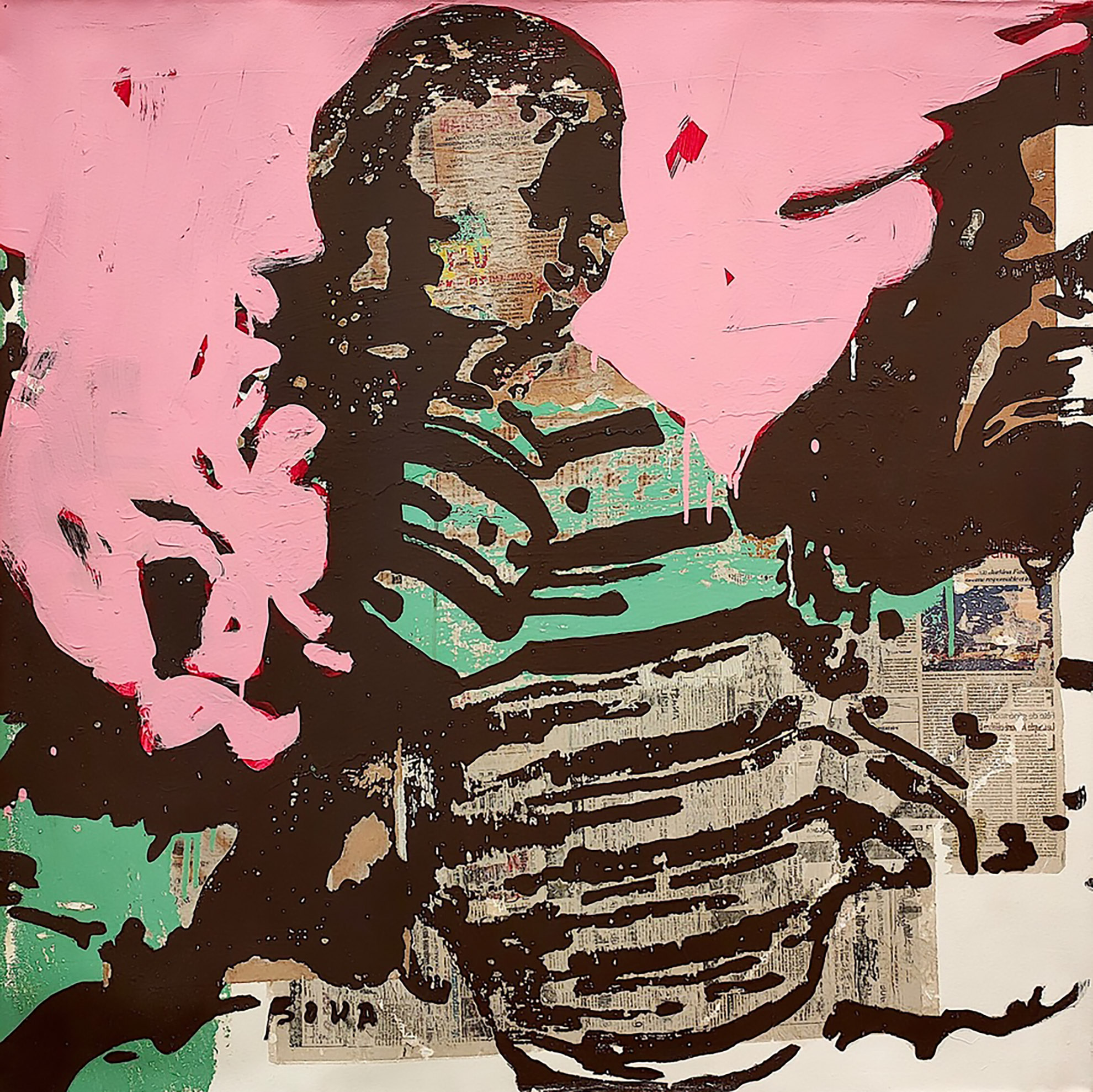
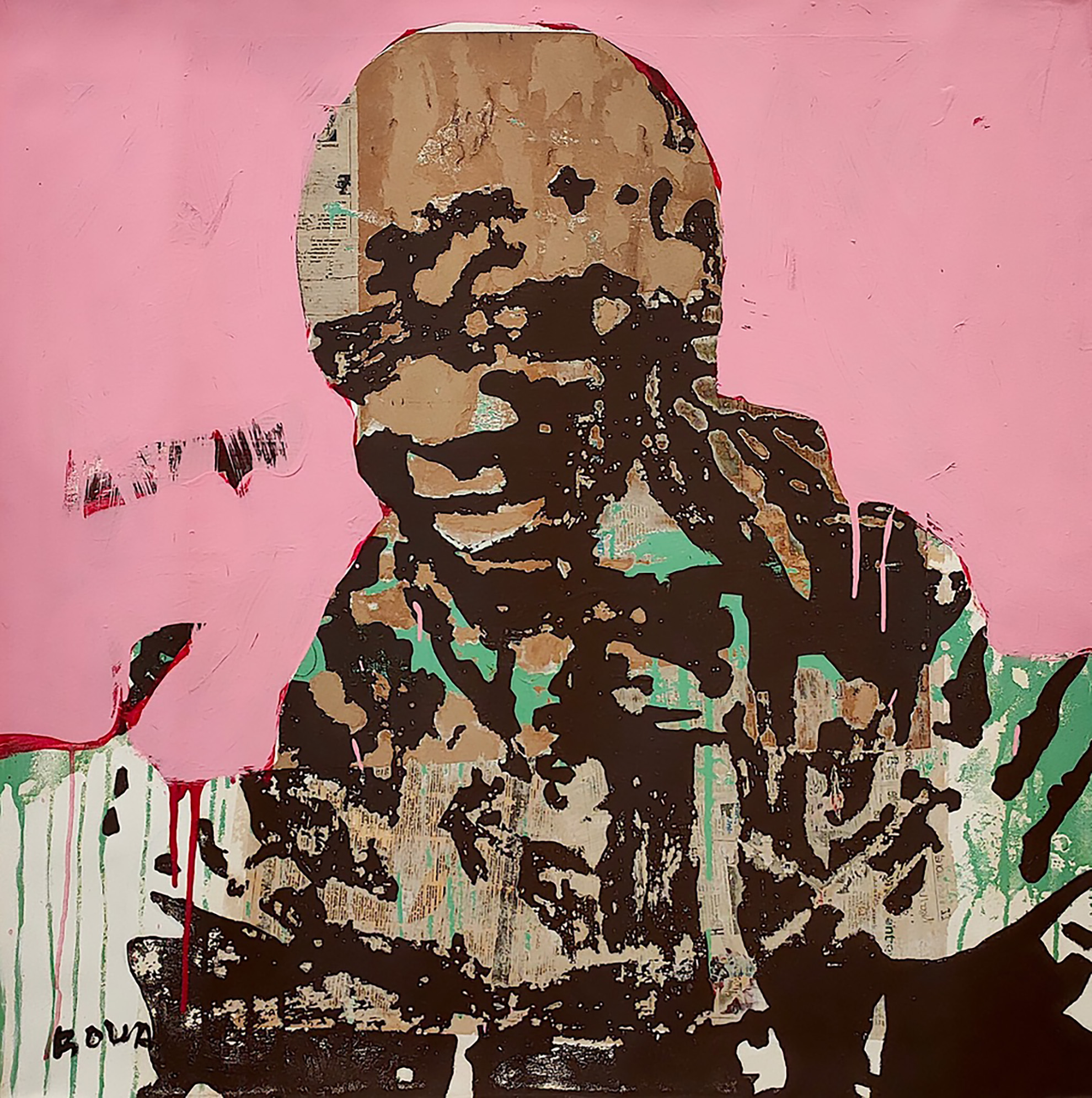
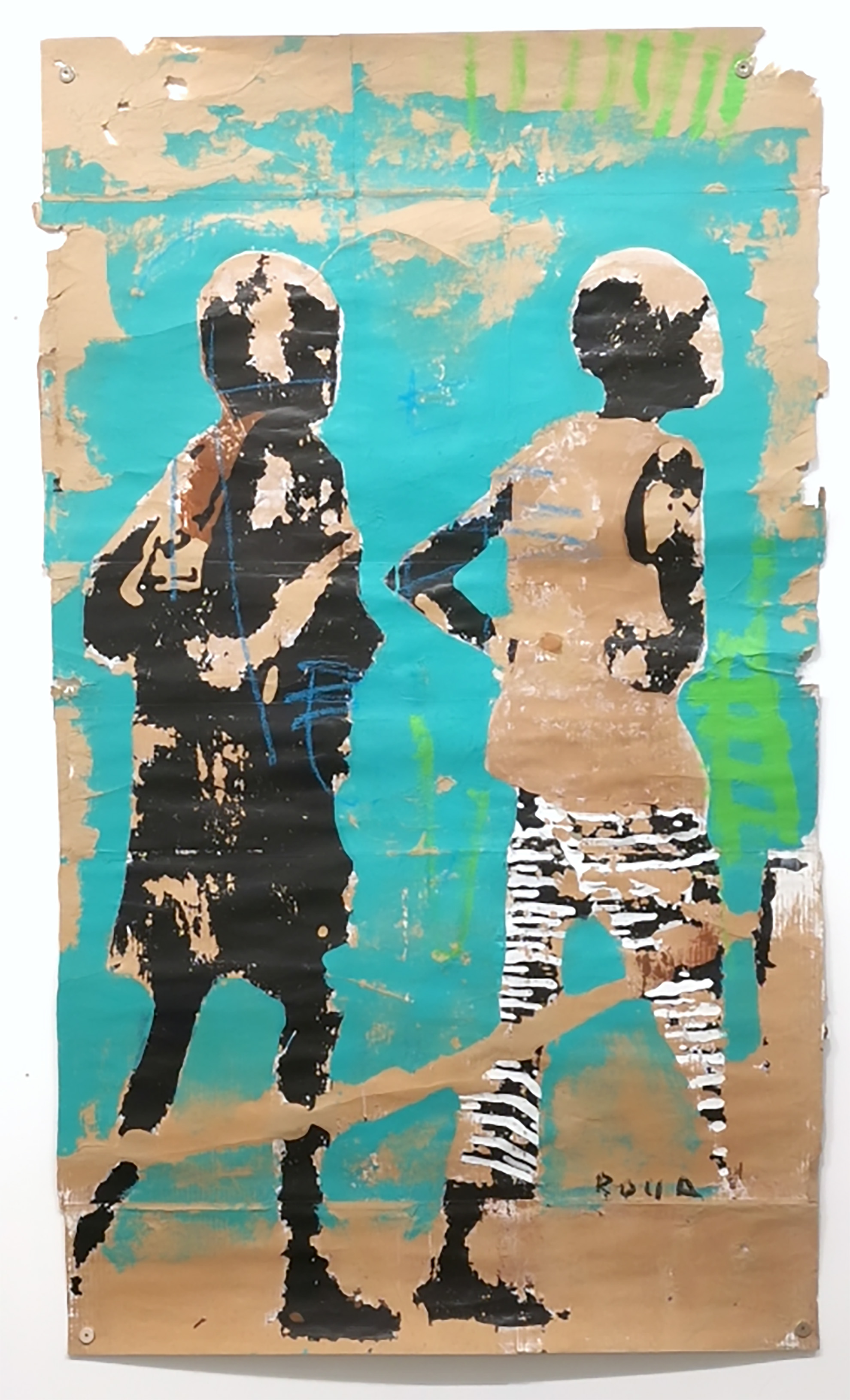
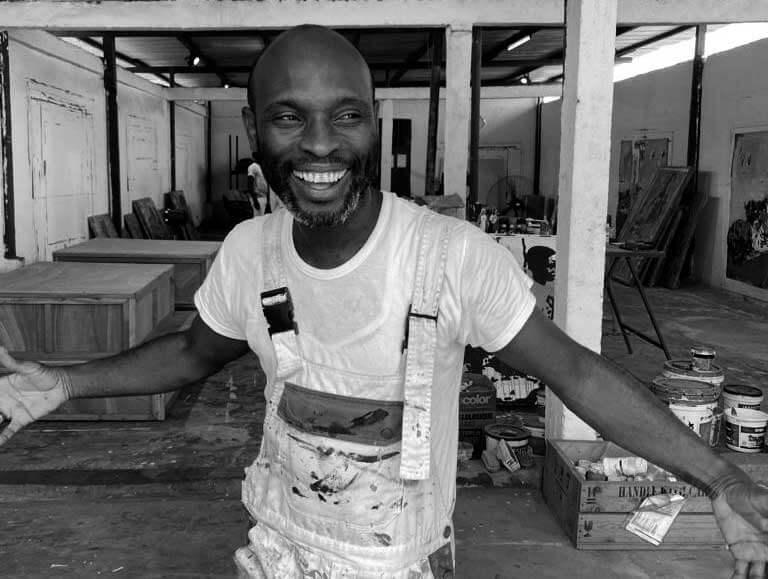
Armand Boua is an Ivorian visual artist, born in 1978 in Abidjan, Ivory Coast, where he currently lives and works. He graduated from the National School of Fine Arts of Ivory Coast and also studied at institutions such as the Technical Center for Applied Arts, the Sainte Marie Training Institute, and the Museum of Civilization, building a solid multidisciplinary artistic background. The central focus of his work is the human condition, which becomes a starting point for his artistic research. In particular, he often portrays the wandering of street children, a recurring subject that reflects social fragility and urban marginality in West Africa.
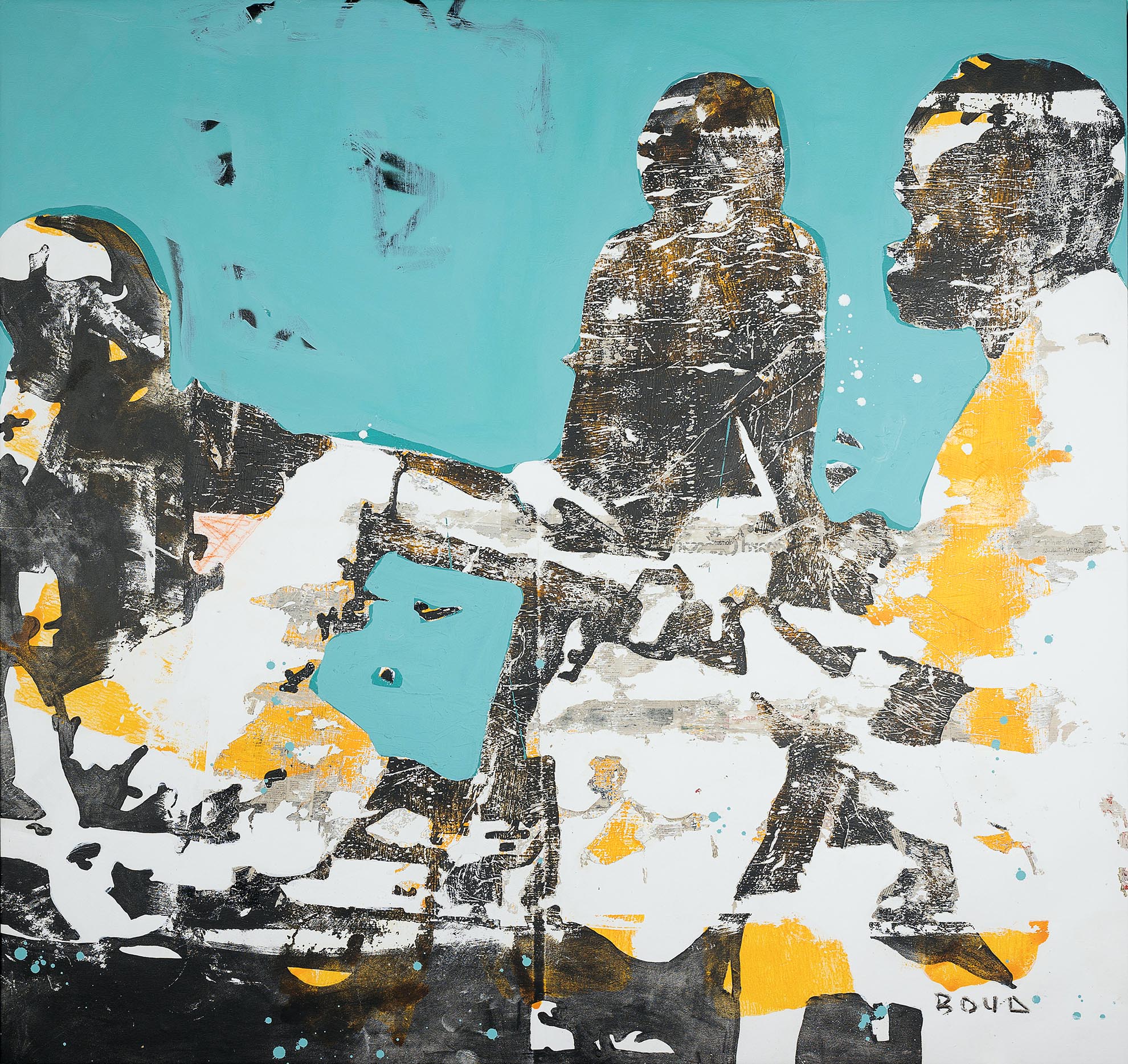
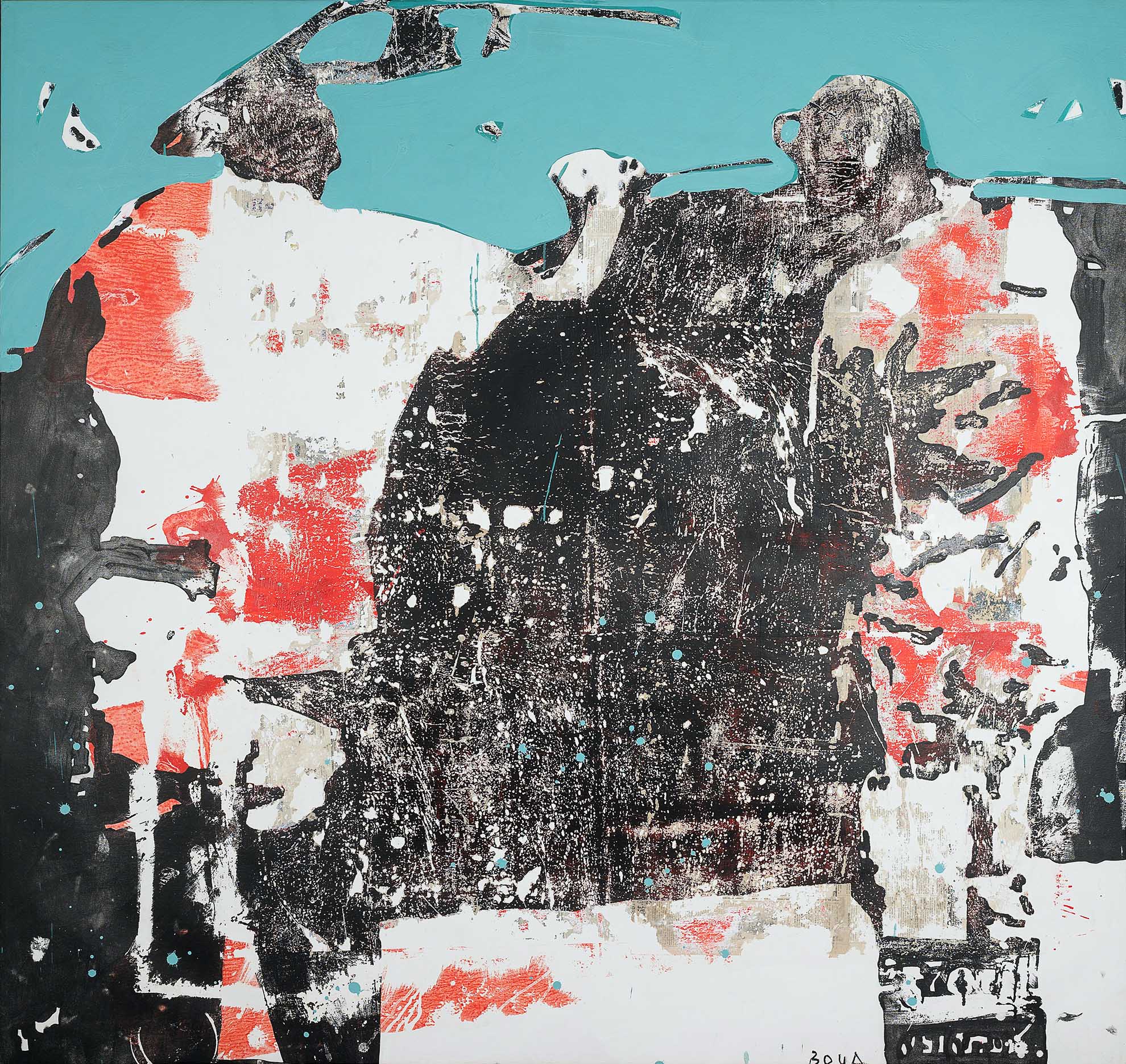
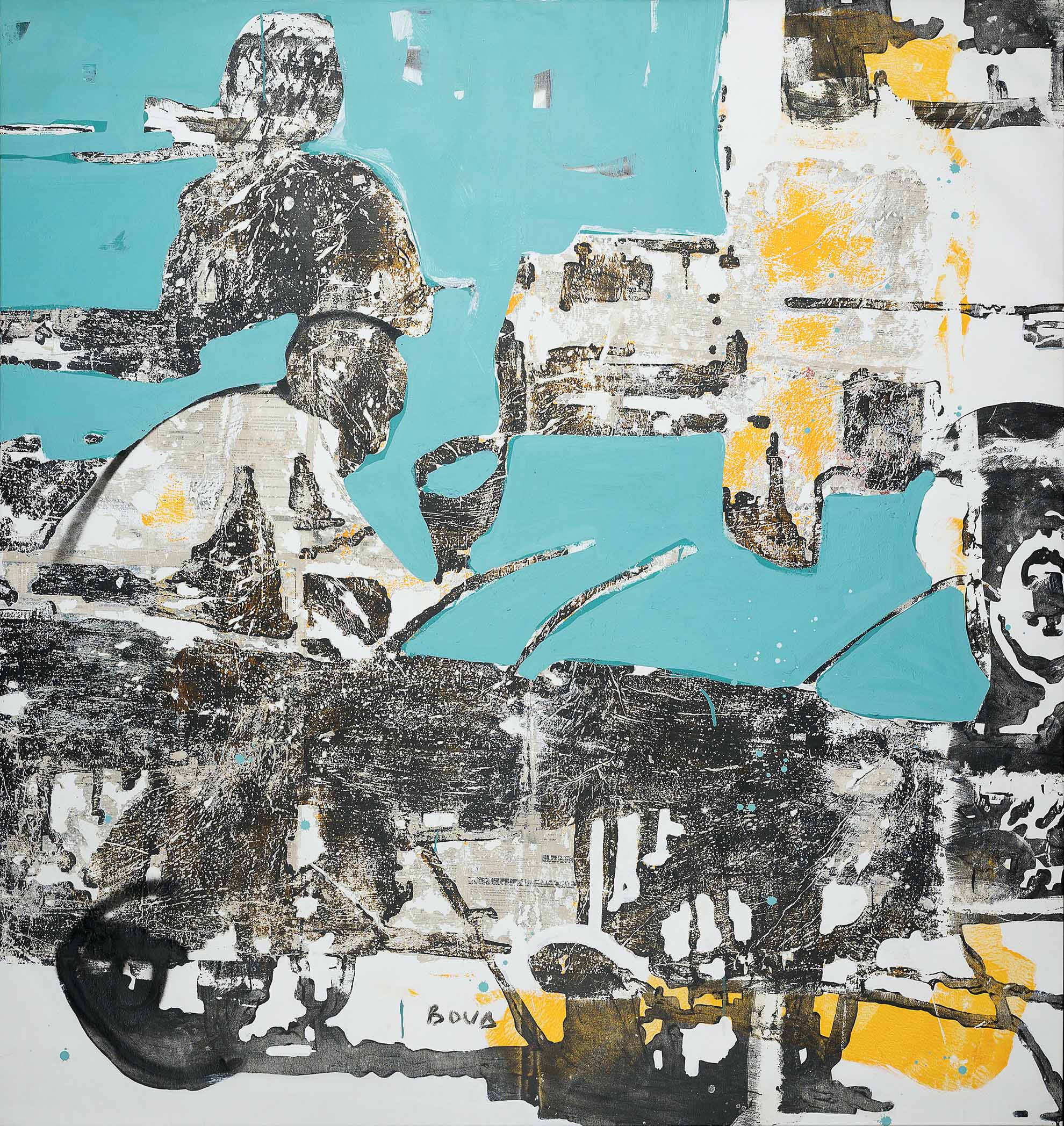
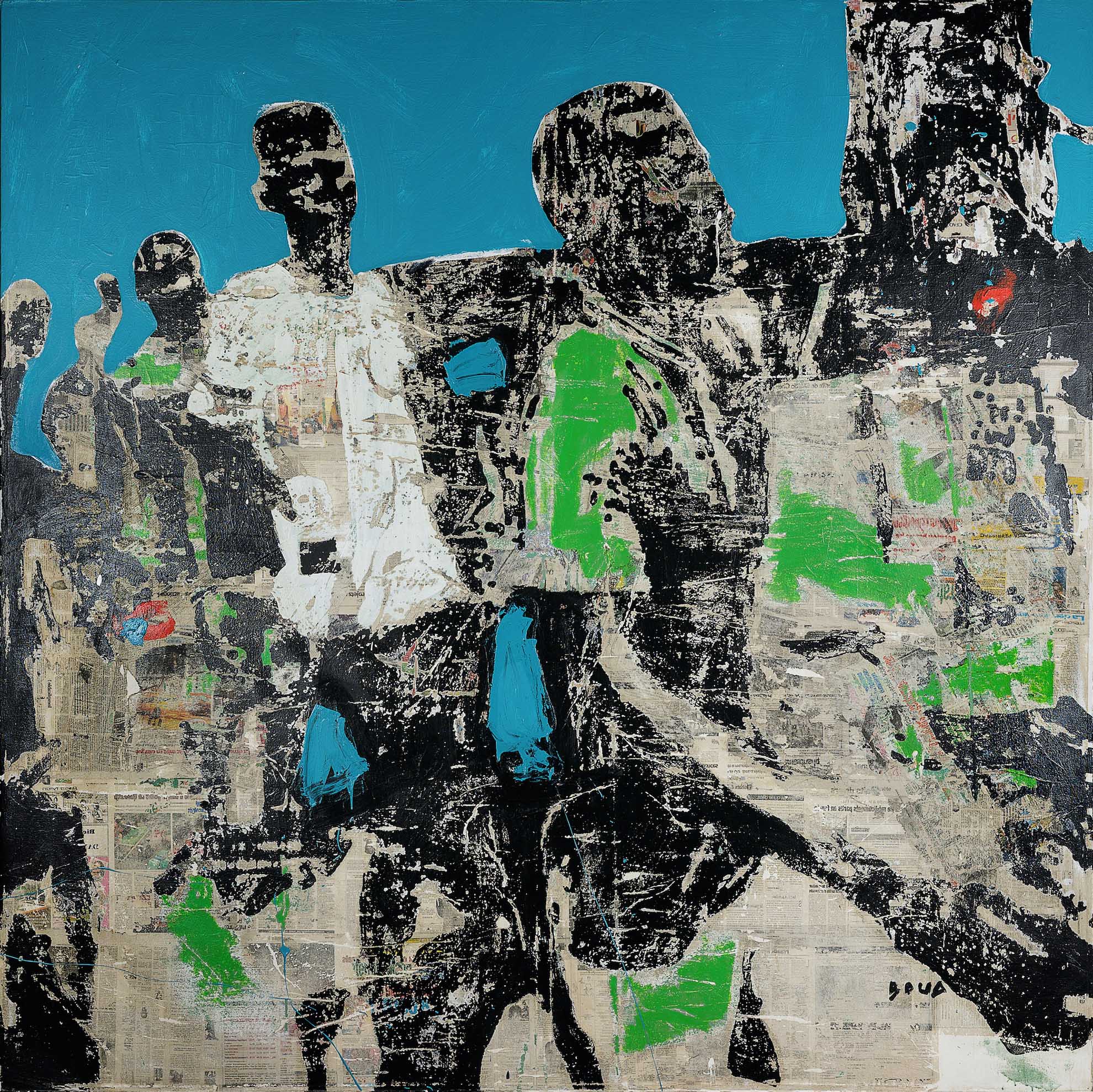
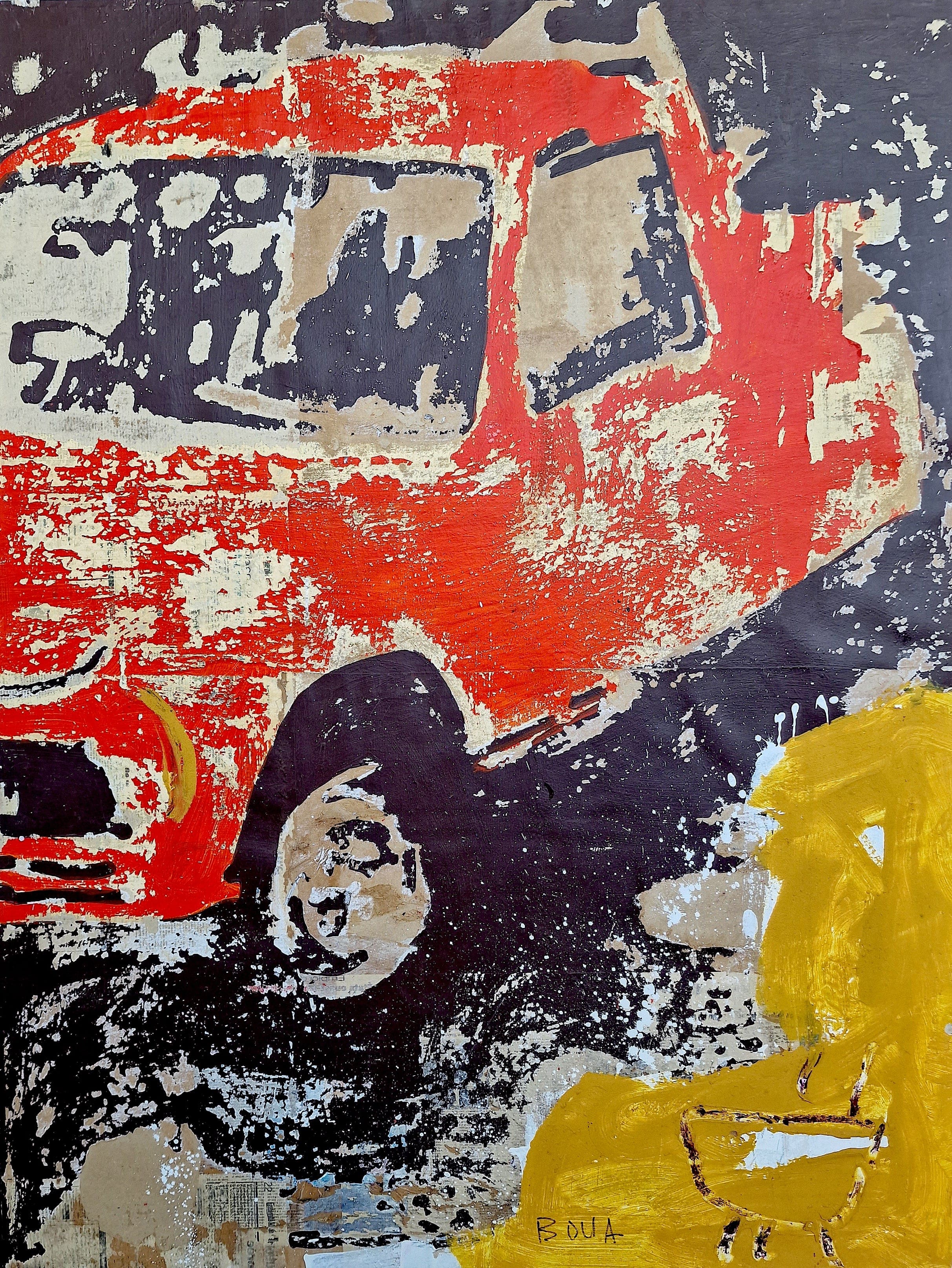
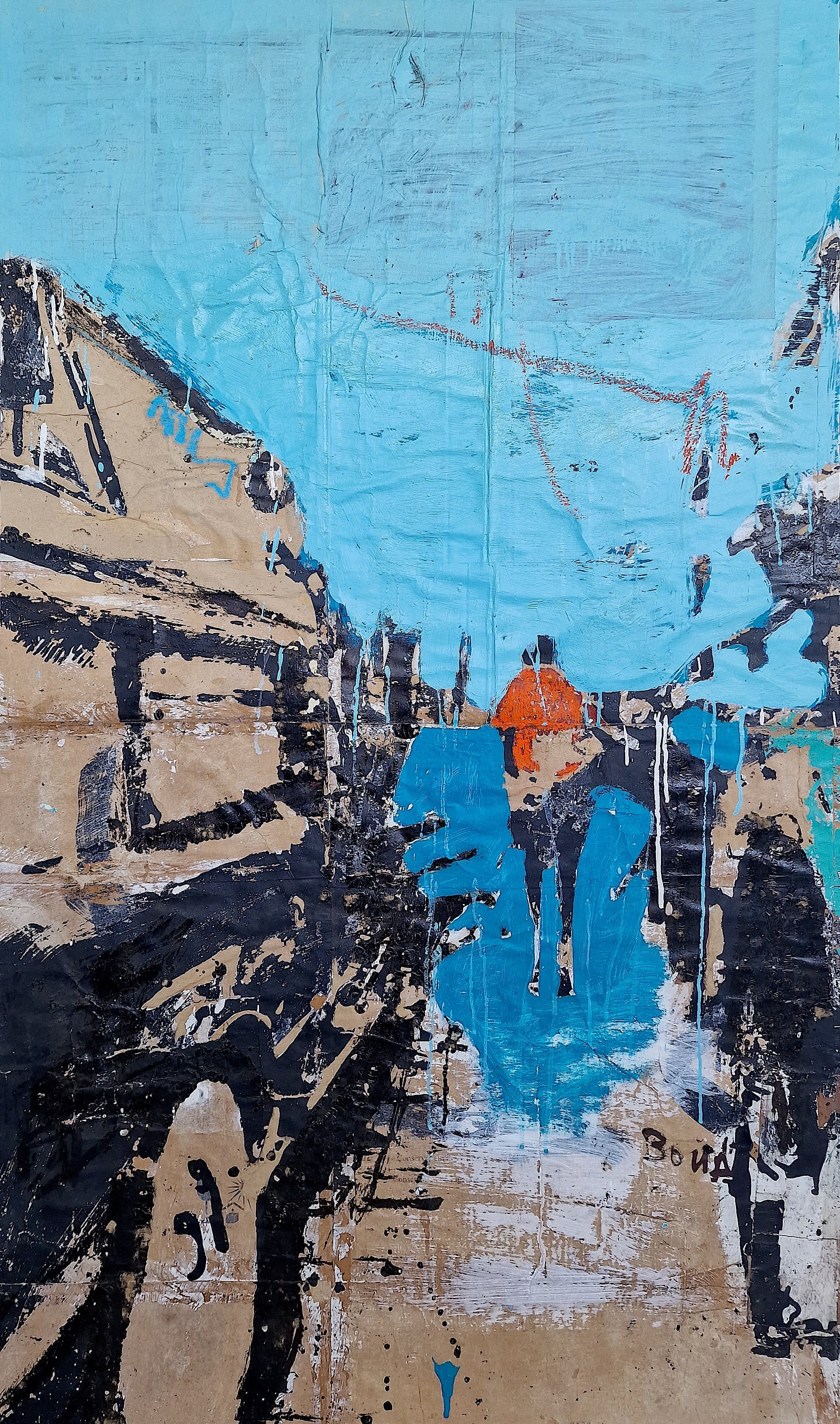
Boua’s works depict street children from his hometown through powerful and often haunting compositions, which testify to the violence, instability, and political tensions present in the region. Over time, his artistic practice has become both a form of denunciation and social commitment, aimed at highlighting issues of inequality and inhumanity. Living and working in Abidjan, a city marked by rapid urbanization and industrial growth, has strongly influenced his sensitivity as an artist. This environment has sharpened his attention to social contrasts and human vulnerability. His artistic process is highly distinctive. Armand Boua builds his compositions through a layered technique using tar, acrylic, newspaper fragments, magazine clippings, and recycled materials. Each layer is applied, then partially removed or scratched away, creating works that oscillate between figuration and abstraction, as forms gradually emerge and dissolve. A key material in his practice is cardboard, which he uses both as support and surface. For the artist, cardboard carries a strong symbolic meaning: it recalls the fragile and improvised shelters used by street children, particularly those who sleep on makeshift materials in the streets.
This tension between material fragility and emotional intensity defines his work. His paintings are marked by a balance between the violence of the creative process and the delicacy of the subject matter, producing images that are both raw and poetic. The tight framing and composition often give his works a photographic quality, as if capturing suspended moments of urban life. His works have been exhibited internationally in cities such as London, Dubai, New York, Stockholm, as well as in Abidjan. They are also part of important institutional collections, including the Minneapolis Institute of Arts, confirming his growing recognition on the global contemporary art scene.