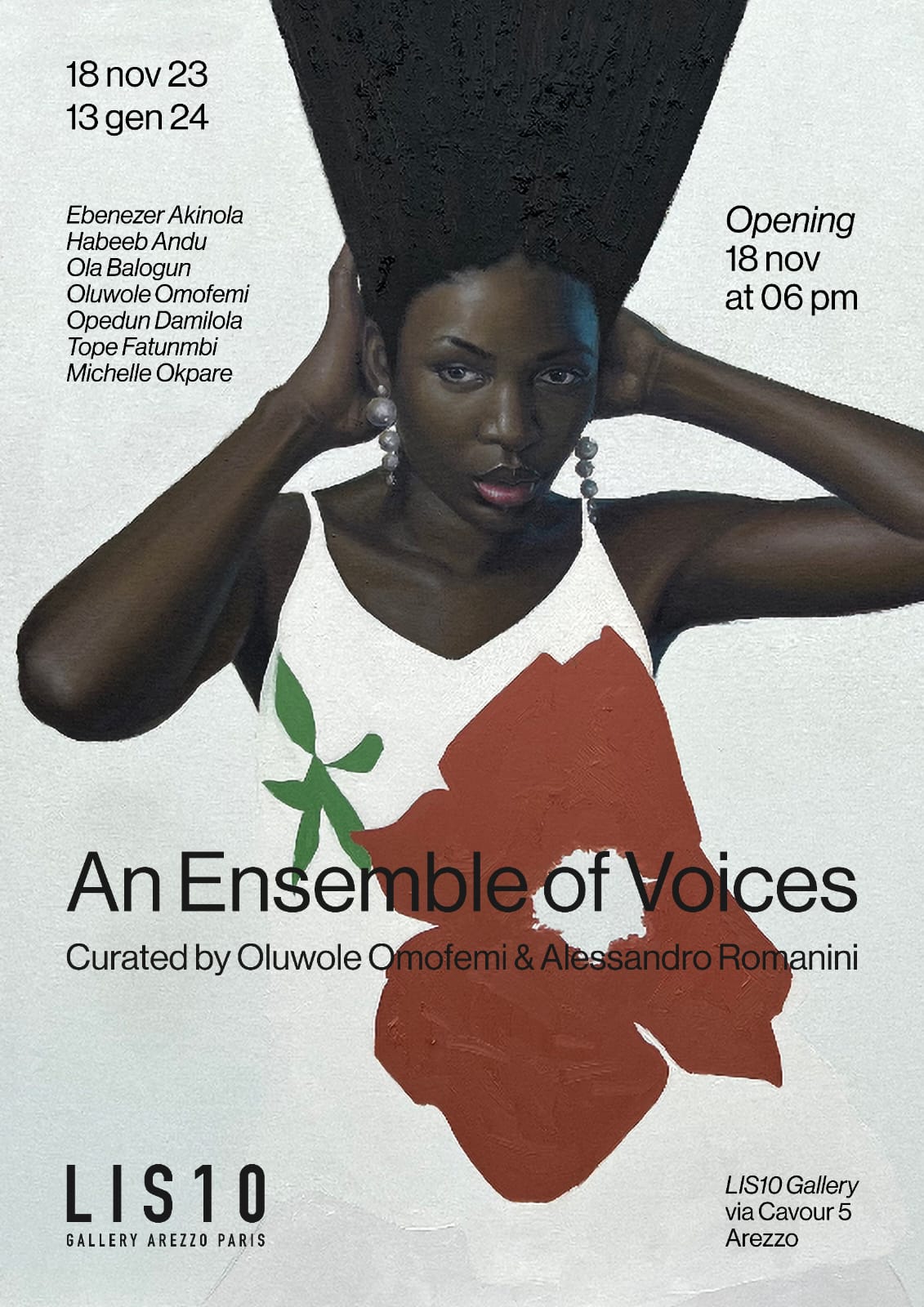

Oluwole Omofemi is an international contemporary Nigerian artist whose practice is deeply rooted in personal history, urban experience, and Afrocentric identity. Born in Ibadan in 1988, he grew up in a context marked by both economic hardship and formative solitude, experiences that would later become central to his artistic imagination and emotional vocabulary. From an early age, Omofemi showed signs of artistic sensitivity that did not go unnoticed. A neighbour once predicted his future artistic success, struck by his early displays of creativity and visual awareness. This early recognition became part of a broader narrative in which art appeared not as a sudden choice, but as an inevitable trajectory shaped by circumstance, intuition, and resilience. His childhood was marked by periods of loneliness and social difficulty, which paradoxically played a crucial role in deepening his inner world. These experiences became a reservoir of memory and emotional material, later translated into his visual practice. Growing up in the inner streets of Ibadan, he was immersed in the rhythms of a densely populated urban environment that significantly shaped his perception of human behavior, space, and identity. During his early years, Omofemi worked as a beer hawker, navigating the busy streets of the city. From his modest earnings, he made a decisive choice: he began purchasing drawing books, investing in his own artistic development despite limited resources. This early gesture marked the beginning of a self-determined artistic path, grounded in discipline, persistence, and aspiration.
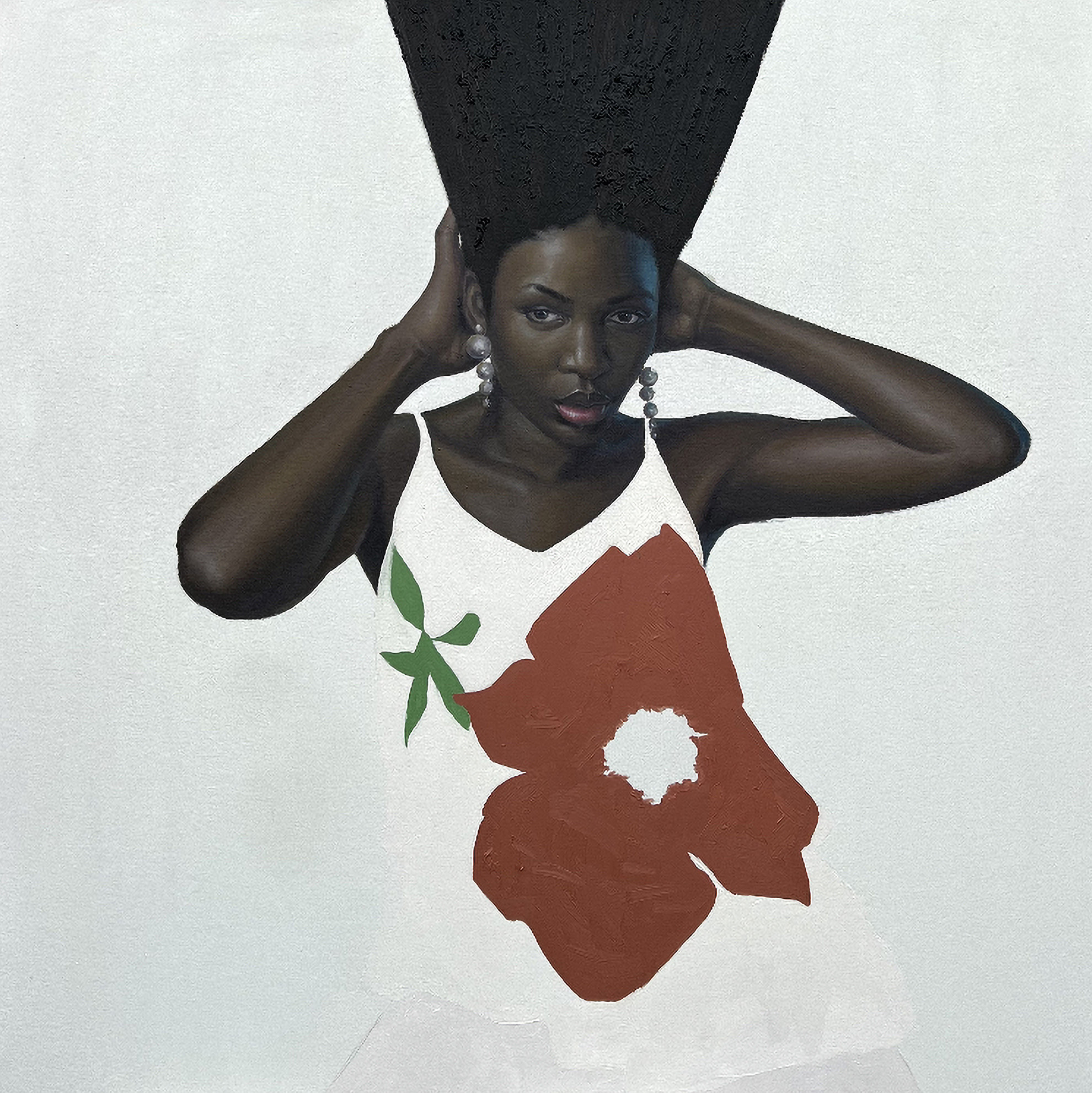
The urban energy of Ibadan, particularly the dynamic atmosphere of Dugbe Market, became a major influence in his creative formation. The constant movement, noise, and diversity of human interactions provided him with a continuous source of visual and emotional stimulation, feeding his artistic imagination and shaping his sensitivity to human presence and gesture. Omofemi later encountered a local artist who introduced him to informal artistic training, providing him with his first technical foundations. His talent was further recognized during his time at Community Grammar School, Mokola (Ibadan), where he was identified as one of the most gifted art students at junior secondary level. A key figure in his artistic journey was Tope Fatunbi, who became the first professional artist to significantly support and guide his development, helping to open the path toward a more structured artistic career. Alongside his artistic practice, Omofemi has also been involved in teaching, and maintains personal interests such as dance, football, and social engagement, reflecting a dynamic and community-oriented personality. At the core of his practice is the representation of the human figure, a subject he has continuously refined and explored throughout his career. His strength lies in the ability to depict human presence with emotional depth, dignity, and psychological intensity, a skill developed through years of observation and technical evolution.
Omofemi is a visionary artist committed to using art as a tool for social reflection and cultural empowerment. His work seeks to address the conditions of the underprivileged, while also celebrating African fashion, feminine beauty, and Afrocentric pride. Through his paintings, he aims to contribute to the rediscovery and affirmation of African identity within a global context. His works, executed primarily in oil and acrylic (with a preference for oil painting), are widely collected both in Nigeria and internationally. His visual language is characterized by strong figurative presence and a focus on portraiture as a carrier of identity and memory. For Omofemi, African art possesses a particular depth, as it often reflects complex personal and collective experiences, shaped by history, environment, and social reality. His practice remains deeply connected to his childhood memories and lived experiences, which continue to serve as an essential source of inspiration. He believes that art has a functional and ethical role in society: to challenge social vices, communicate the inner messages of the artist, and act as a record of historical and cultural memory. In this sense, his work operates not only as aesthetic expression, but also as a form of testimony, reflection, and social engagement.