
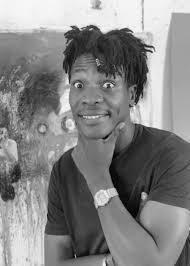
George Masarira was born in 1990 in Gokwe, Matabeleland North, Zimbabwe. His art career began in 2008, when he enrolled at the Mzilikazi Art and Craft Centre in Bulawayo. His studies focused mainly on fine art, but he also trained in ceramic design, pottery, and wood carving, developing a broad technical foundation.
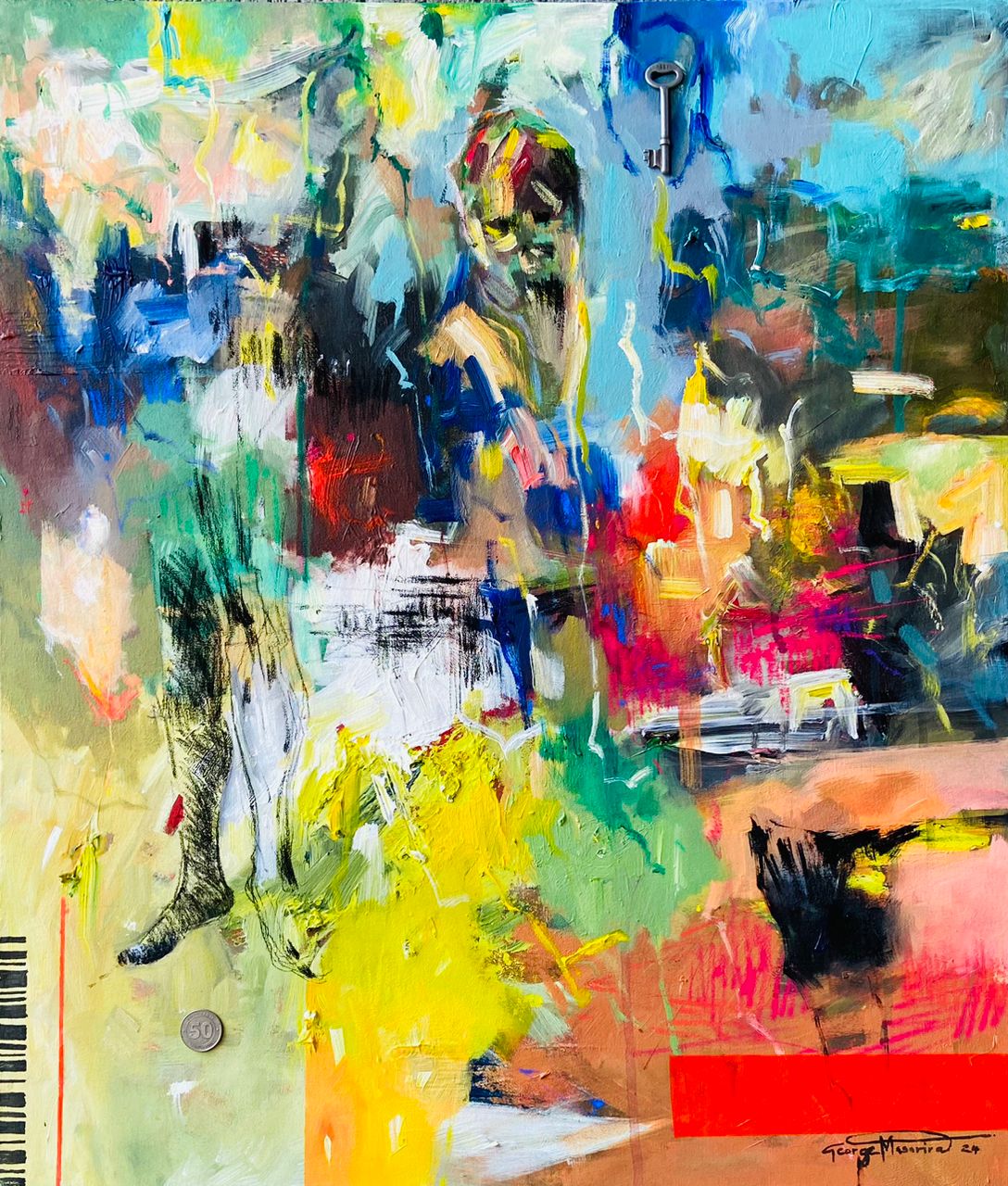
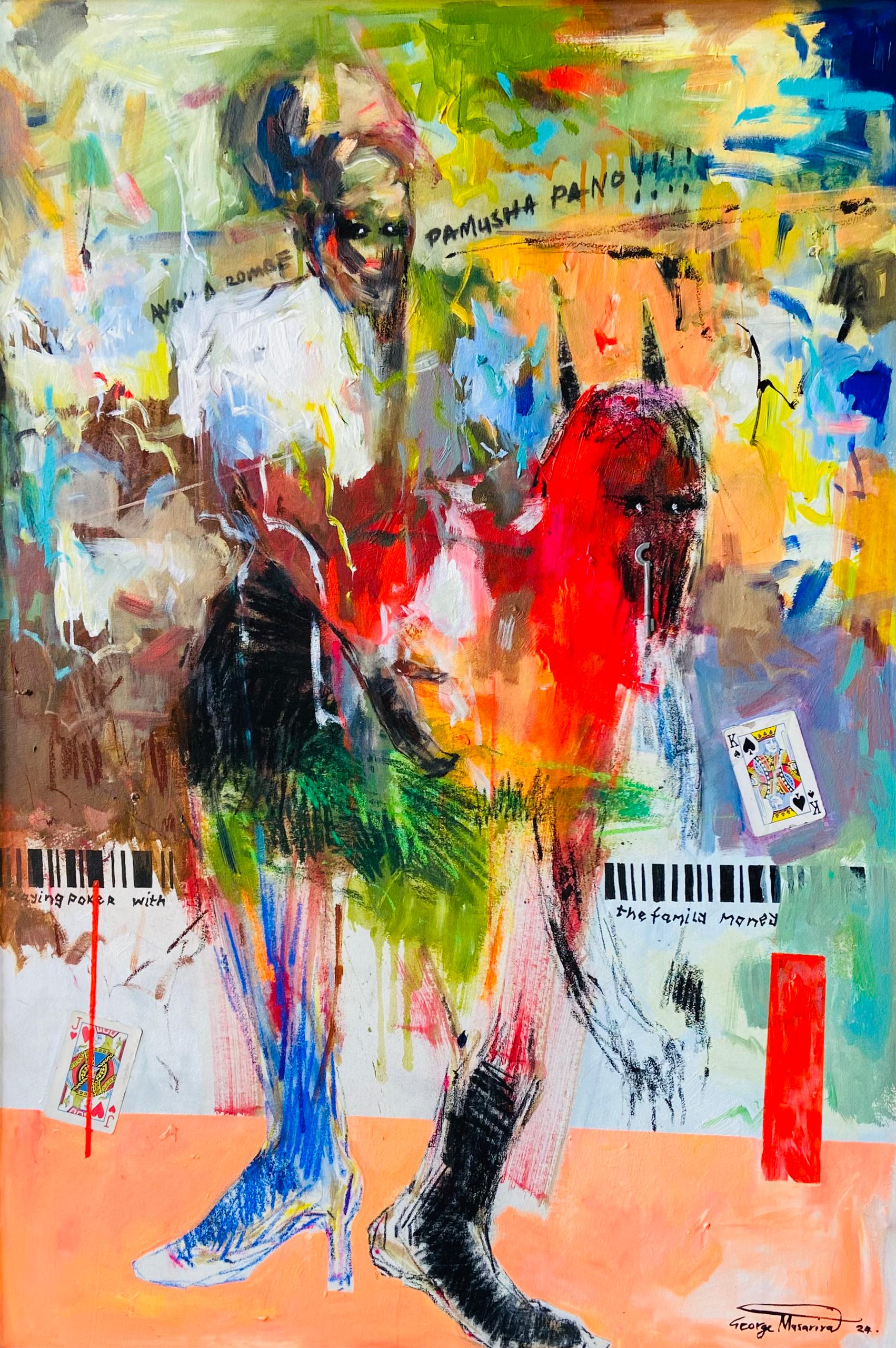
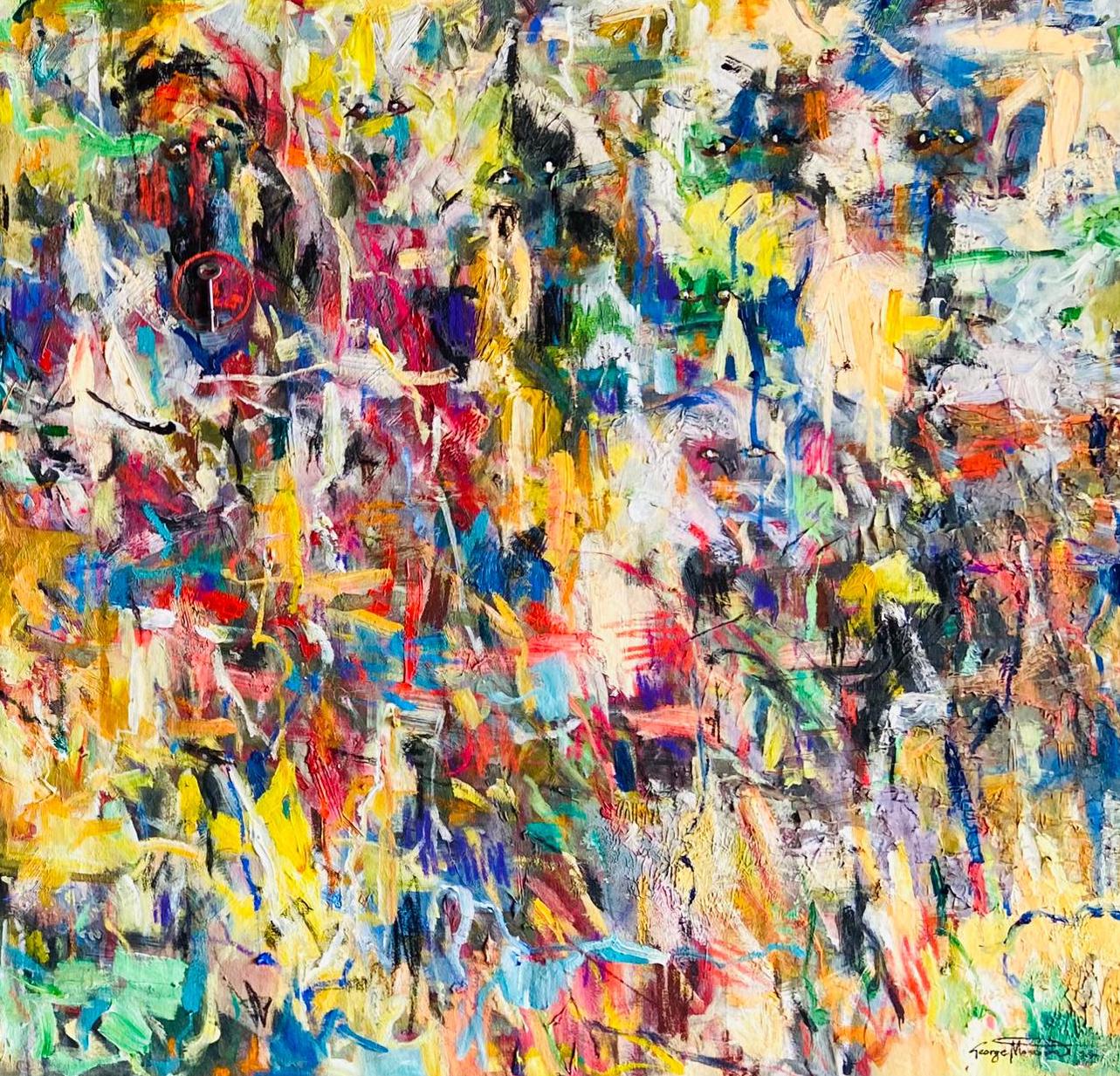
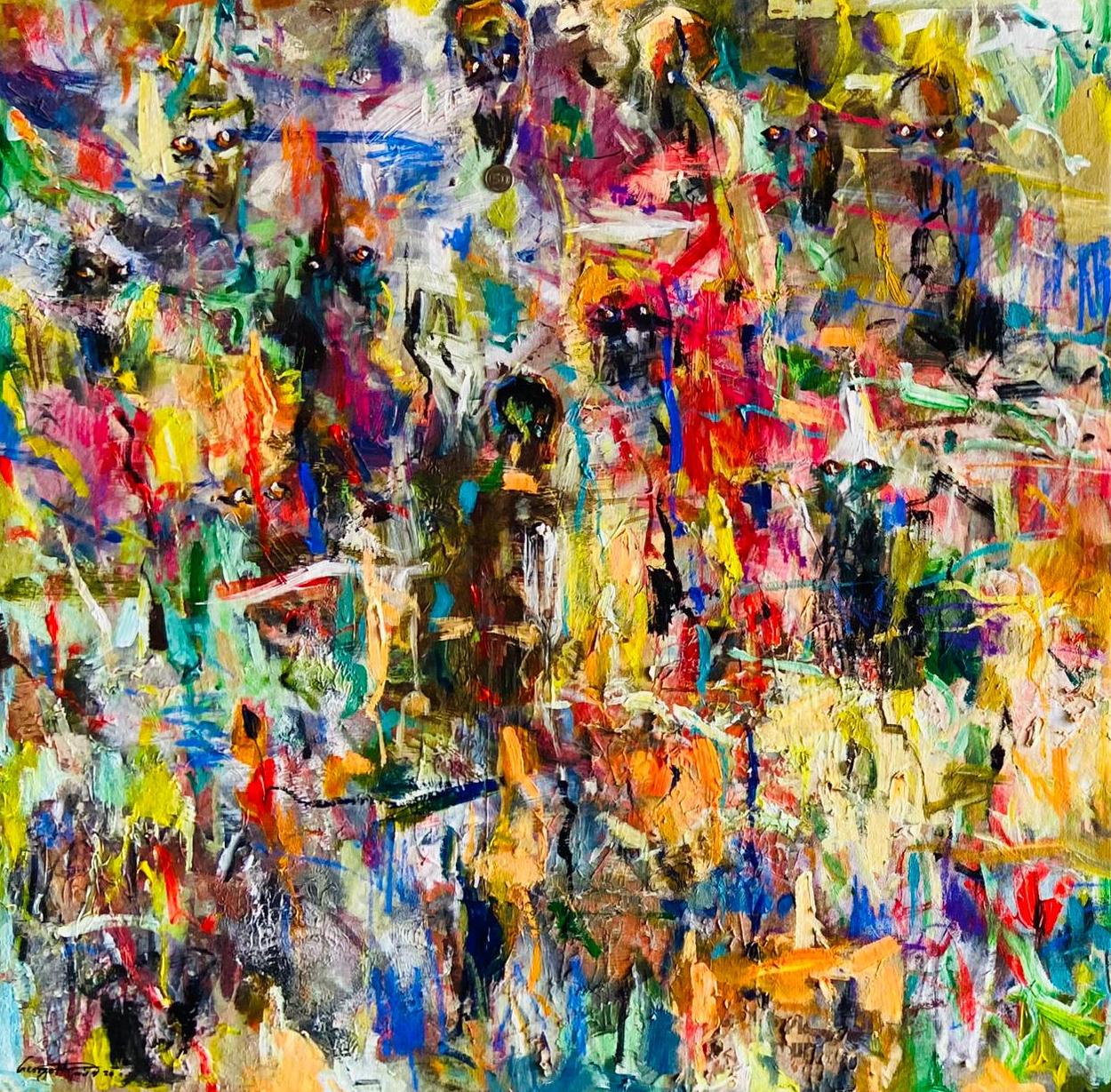
After graduating in 2010, he began building his professional path by sharing a home studio with artist Zachariah Mukwira, who is now based in Cape Town, South Africa. A major turning point in his career came in 2013, when he was admitted as a resident artist at the National Gallery of Zimbabwe in Bulawayo. This environment exposed him to a vibrant artistic community and significantly expanded his creative vision. The artist himself reflects: “This time I thought of looking back into the history.” Masarira’s recent work is deeply rooted in a socio-political context, exploring the relationship between history, contemporary society, emotions, and current events. His practice suggests that modern life is still shaped by past events, whose effects continue to resonate today. Although humanity has progressed, it remains influenced and, in some ways, constrained by historical trauma and repetition.
At the same time, his work carries a sense of resilience: despite the destructive weight of history, nature persists across generations, offering the possibility of reflection and self-correction for humanity. A key material in his practice is charcoal, which he uses as a metaphor for coercion and violence. In his works, charcoal becomes a symbol of both individual and collective tension. This is reinforced through expressive lines and marks, which represent unrest, conflict, and the social fractures within communities, often linked to unresolved historical events.