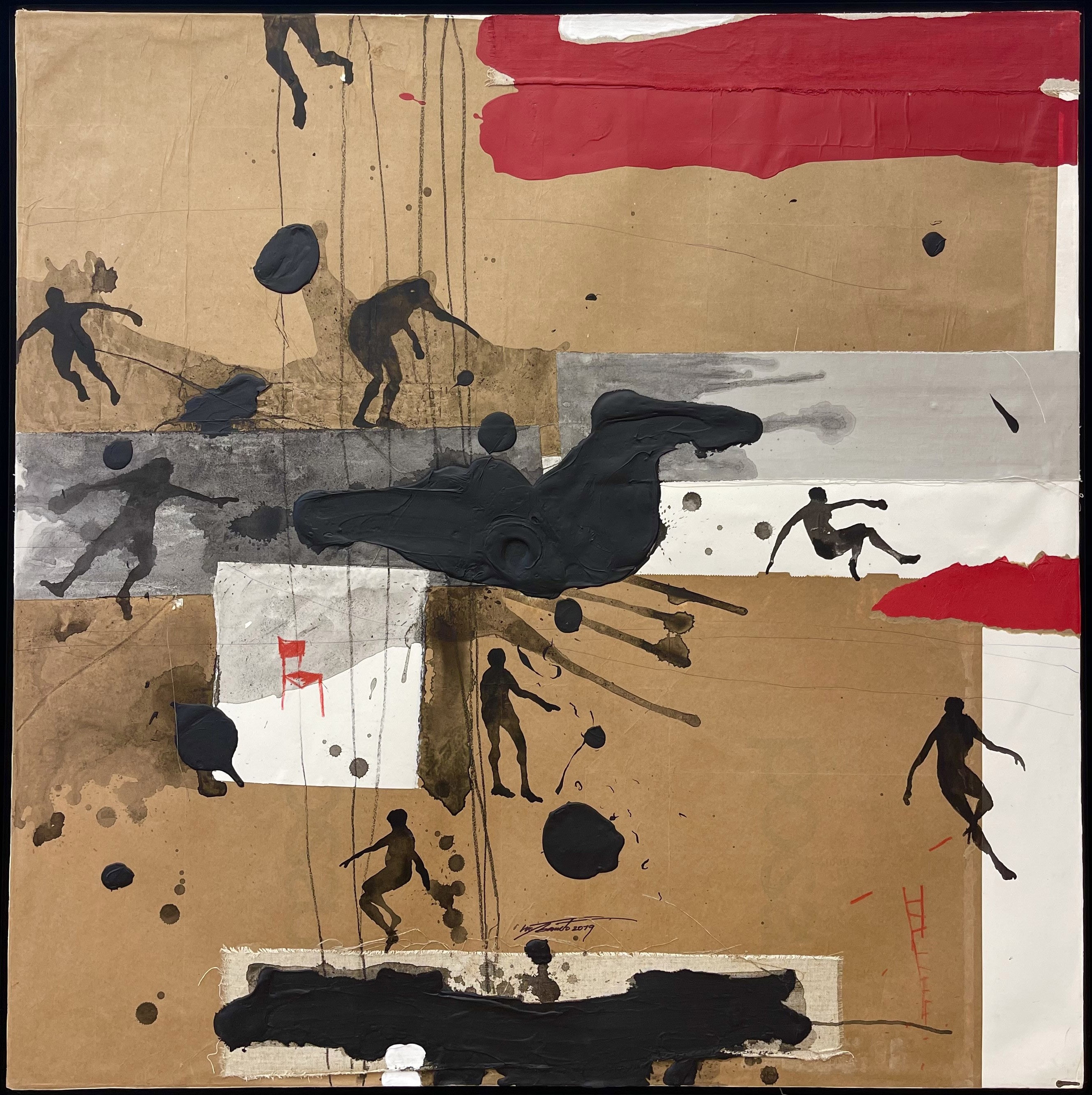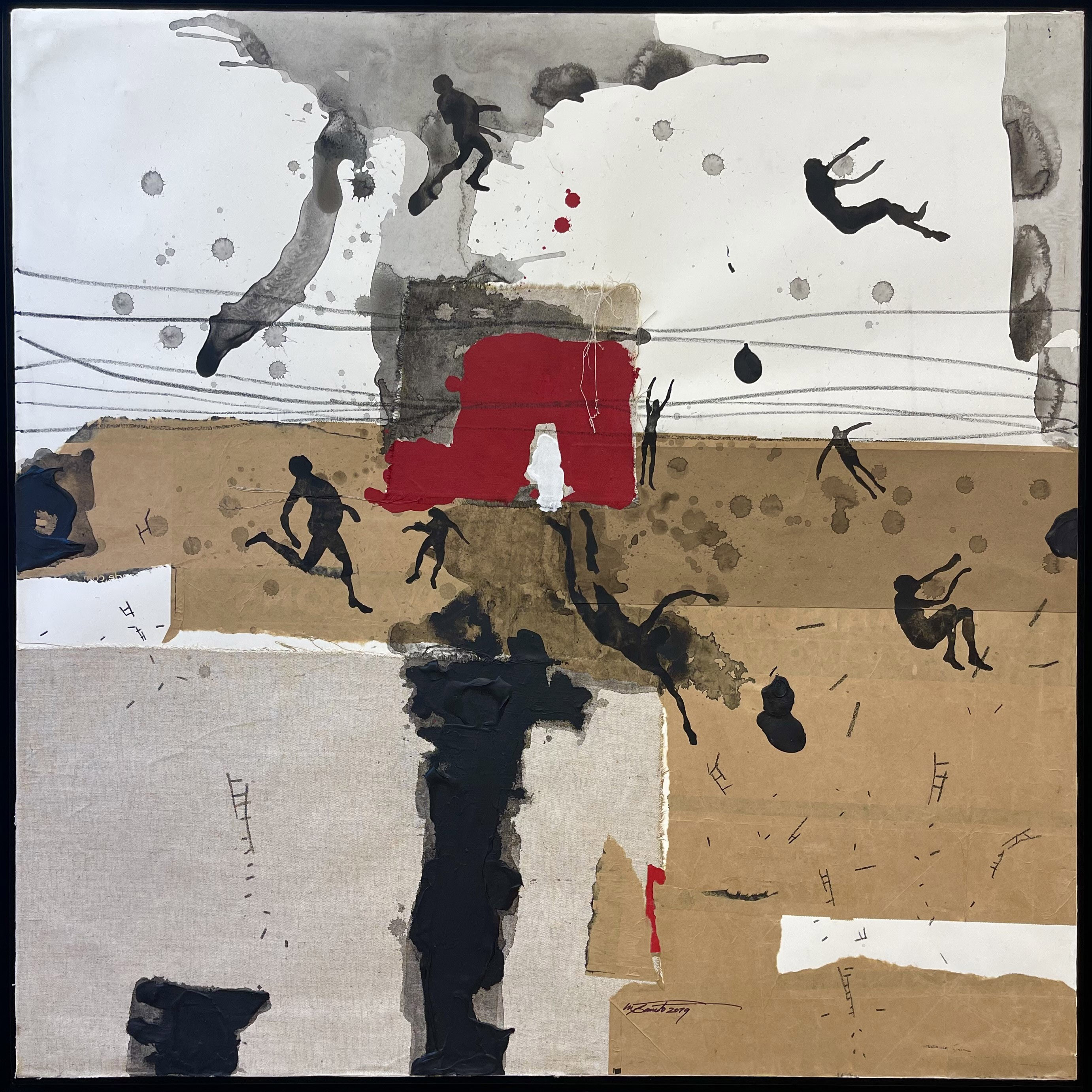
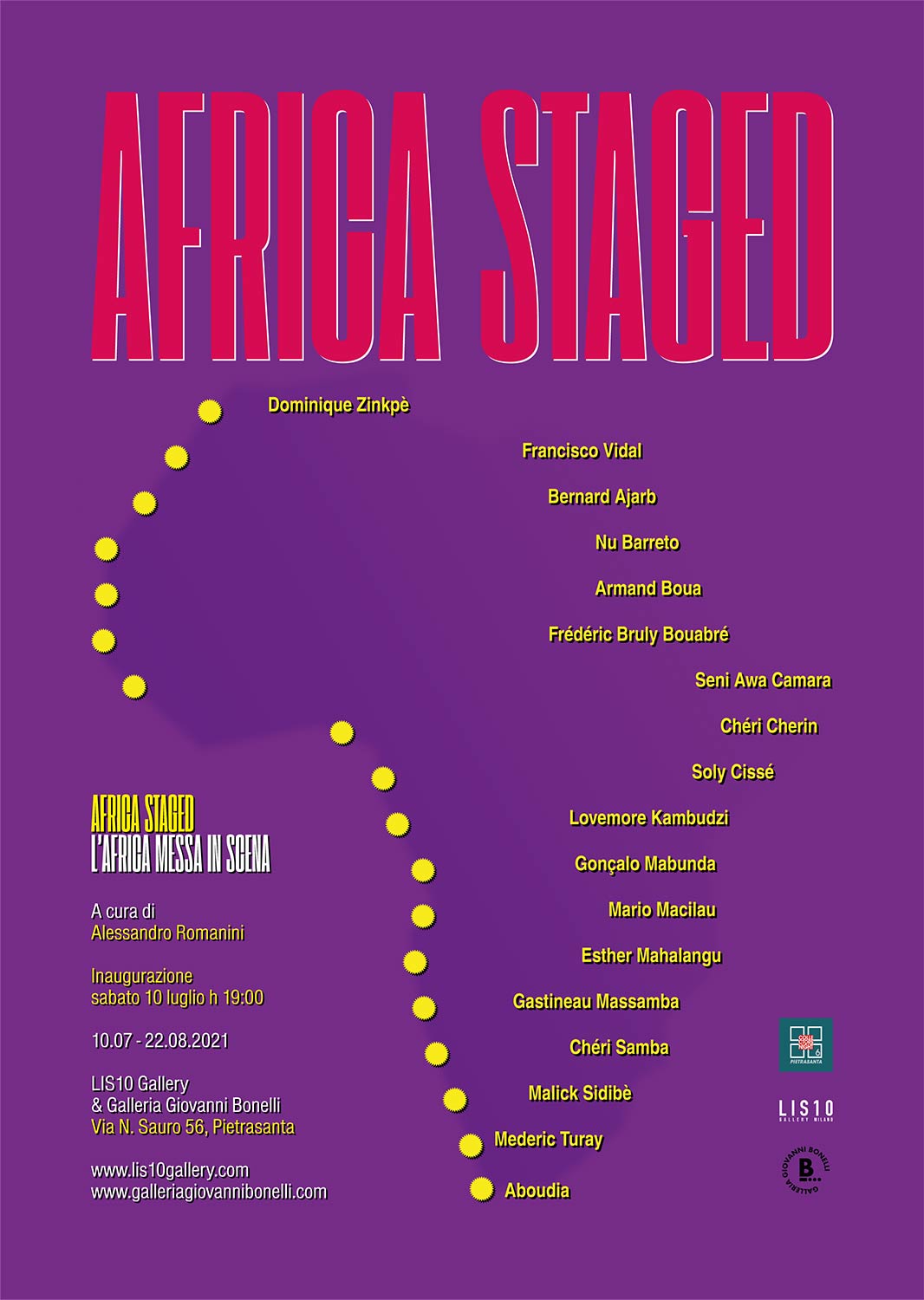
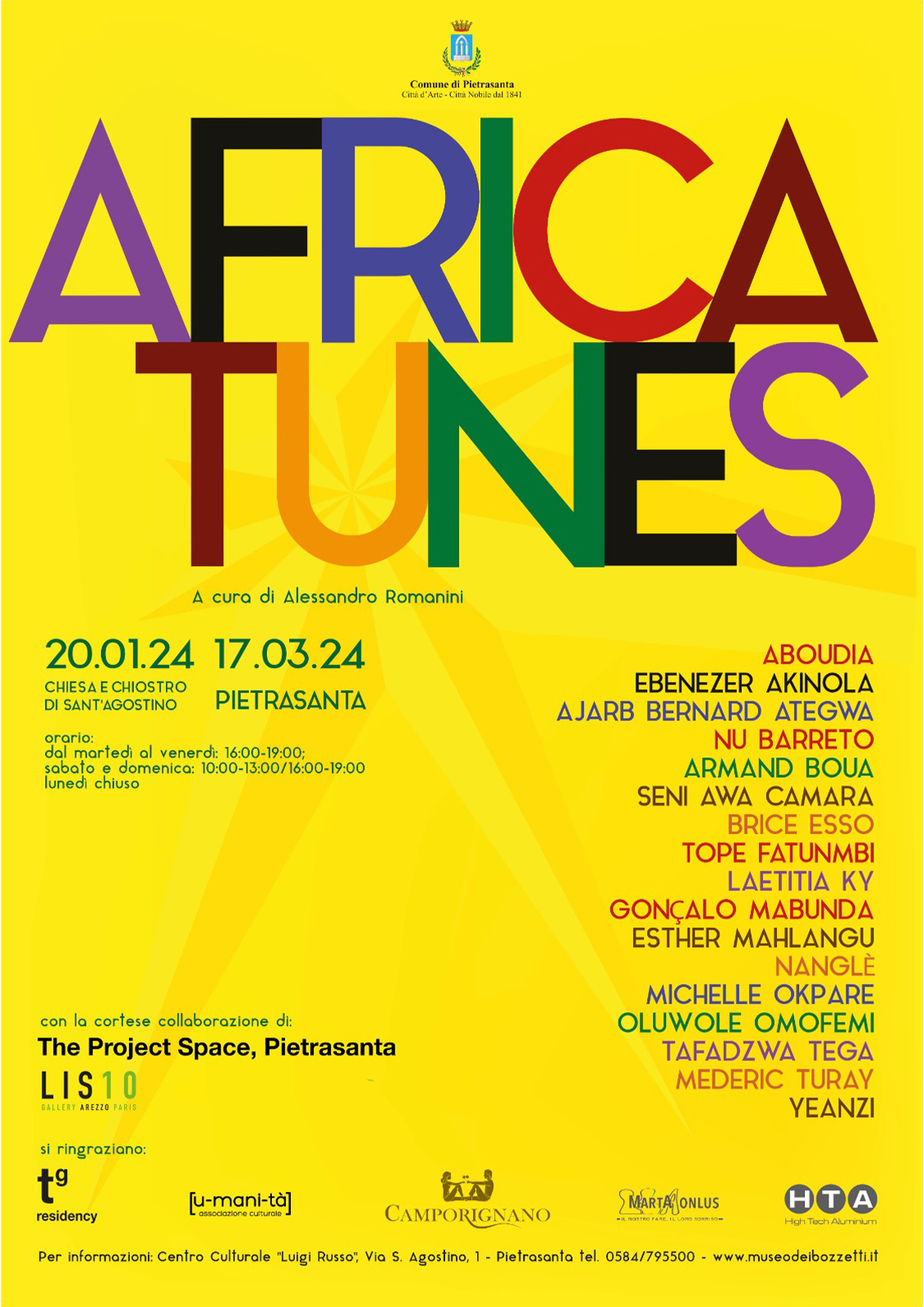
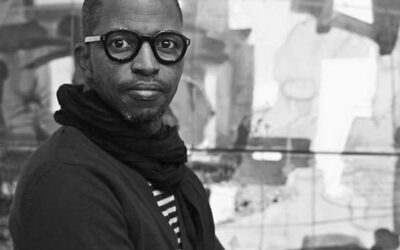
Nú Barreto is born in 1966 in São Domingos (Guinea-Bissau). Nú Barreto is a multidisciplinary and politically engaged contemporary artist whose practice is grounded in drawing, but extends across installation and conceptual approaches. Trained at the École Nationale des Métiers de l’Image des Gobelins in Paris, he has developed a distinct and immediately recognizable visual language, positioned at the intersection of personal expression and collective history. From early in his career, Barreto was recognized as a talented and singular artistic voice, and from 1998 onwards he has exhibited extensively on the international scene, representing his country in a wide range of contexts including Portugal, France, Germany, Belgium, Côte d’Ivoire, Ethiopia, Senegal, Switzerland, Burkina Faso, Brazil, and China. This sustained international presence has contributed to establishing him as an important figure within contemporary African diaspora art. Drawing has been his primary medium since childhood, and remains the foundation of his artistic practice. Through drawing, Barreto constructs a language capable of addressing complex and often painful realities, particularly those linked to the history of violence, colonial aftermaths, and collective trauma on the African continent. His works operate as visual statements where simplicity of form is combined with strong symbolic density.
A central element in his iconography is the screaming mouth, a powerful and recurring motif that functions as a sign of testimony, distress, and resistance. This image embodies both the individual suffering and the collective voice of African societies, transforming pain into a visual language that is immediately legible yet deeply layered. Around this motif, Barreto develops compositions that rely on repetition, graphic clarity, and symbolic reduction, enhancing their emotional and communicative force. The various iconographic and plastic strategies he employs—ranging from stark drawing to minimal compositional structures—contribute to the strong evocative and affective intensity of his work. Rather than illustrating specific events, his practice seeks to evoke broader conditions of historical memory, social injustice, and human vulnerability.
Despite the critical and often harsh content of his imagery, Barreto’s work is underpinned by a profound belief in humanity. Central to his thinking is the notion of the “homo imperfect”, a concept through which he reflects on human imperfection as a universal condition. Rather than denying or idealizing it, he exposes it, often with a sense of irony or critical distance, in order to suggest the possibility of self-awareness and transformation. This tension between critique and hope is fundamental to his practice. While his works confront difficult realities, they also express a persistent trust in the capacity of art to reveal, question, and ultimately reframe human behavior. In this sense, Barreto’s work operates not only as a form of testimony, but also as a space of ethical reflection and fragile optimism, where the act of drawing becomes a way of engaging with both the wounds and the possibilities of the world.